
Communication
People with disability have the right to express themselves, to share their opinions and ideas and to seek, get and give information through all forms of communication of their choice. This includes through accessible formats and technologies at no additional cost to them, through sign languages, Braille, augmentative and alternative communication (AAC), mass media and all other accessible means of communication.
(Article 21, Convention on the Rights of Persons with Disabilities)

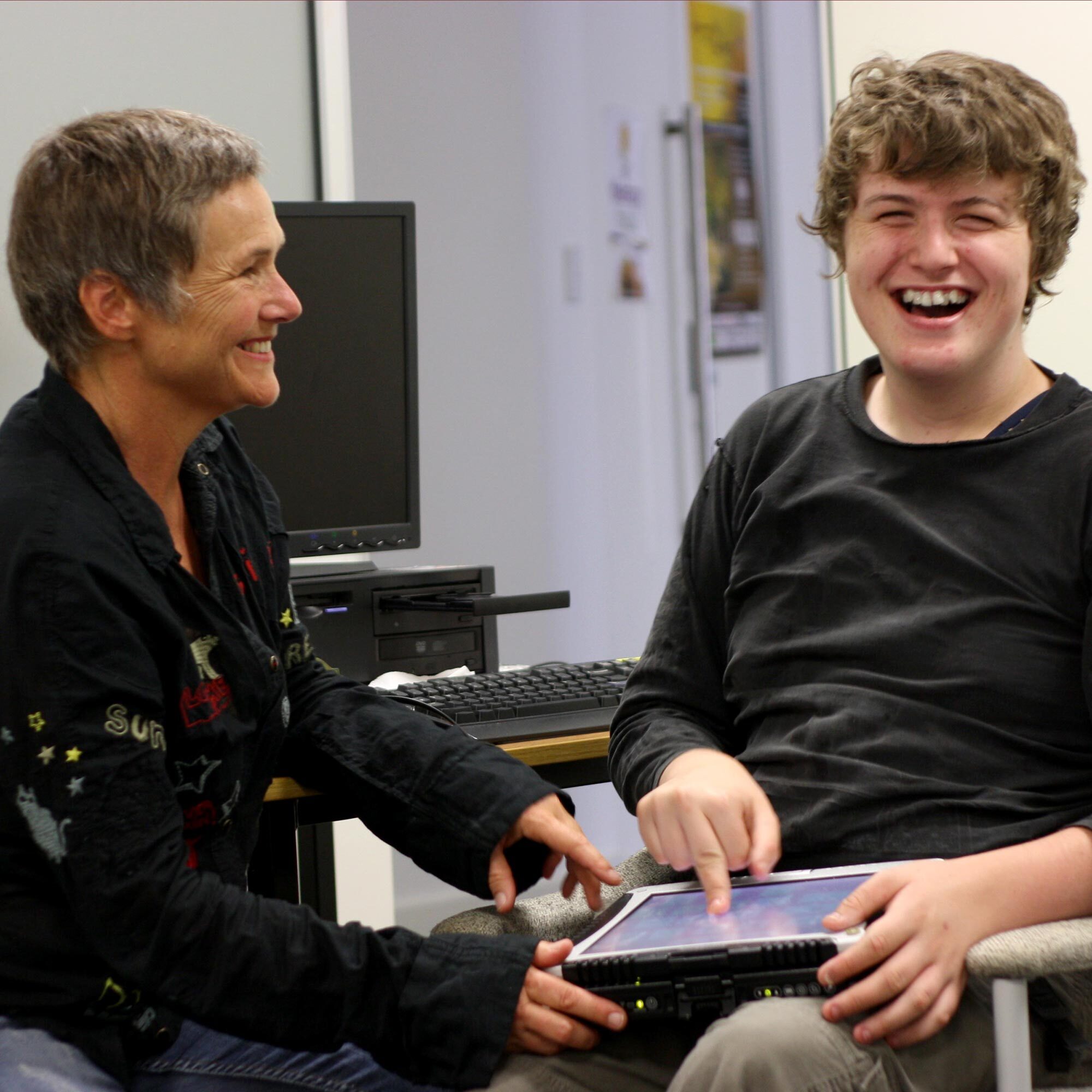
We all have a need to connect and communicate with others. People with developmental disability may have difficulty making themselves understood and understanding other people but everyone can communicate and everyone can learn to communicate in ways that are more easily understood if they get the right support.
It is not only people with developmental disability who need support to do this – their family members, carers, friends and the professionals who work with them all need to have good information, training and support to learn the best ways to communicate together. Without the right support, unmet communication support needs will affect every area of a person’s life from getting a good education, to appropriate health care, employment, positive relationships, social support and personal safety.
DDWA believes that communication is a fundamental human right. DDWA is working to improve information and advice for people with developmental disability who have complex communication needs (communication disability) as well as for their families and supporters.
Communication Disability Access and Inclusion
Putting the focus on person-centred communication, communication partners and in an organisational Disability Access and Inclusion Plan (DAIP).
DDWA is committed to raise awareness of communication disability within the local community and to build a range of resources to promote communication access. Aside from our primary purpose to support people with intellectual disability who may also have communication disability (previously referred to as complex communication needs), and their families - DDWA's secondary goal is to build capacity within Local Governments and State Government agencies to better focus on communication within their Disability Access and Inclusion Plans (DAIPs).
We have a separate web page dedicated to providing building capacity amongst 'allies' of people with communication disability to be cionsidered in DAIPs.
https://ddwa.org.au/focus-areas/communication-disability-access-inclusion/
With this, we focus on educating the broader community.
Chat Boards (also called ALDs (assisted language displays)): find out what they are, how and why to use them, and download a number of chat boards FREE for your own use HERE.
AAC (Augmentative and Alternative Communication): for more information about Supporting communication access, "what is AAC" and communication display examples, click HERE.
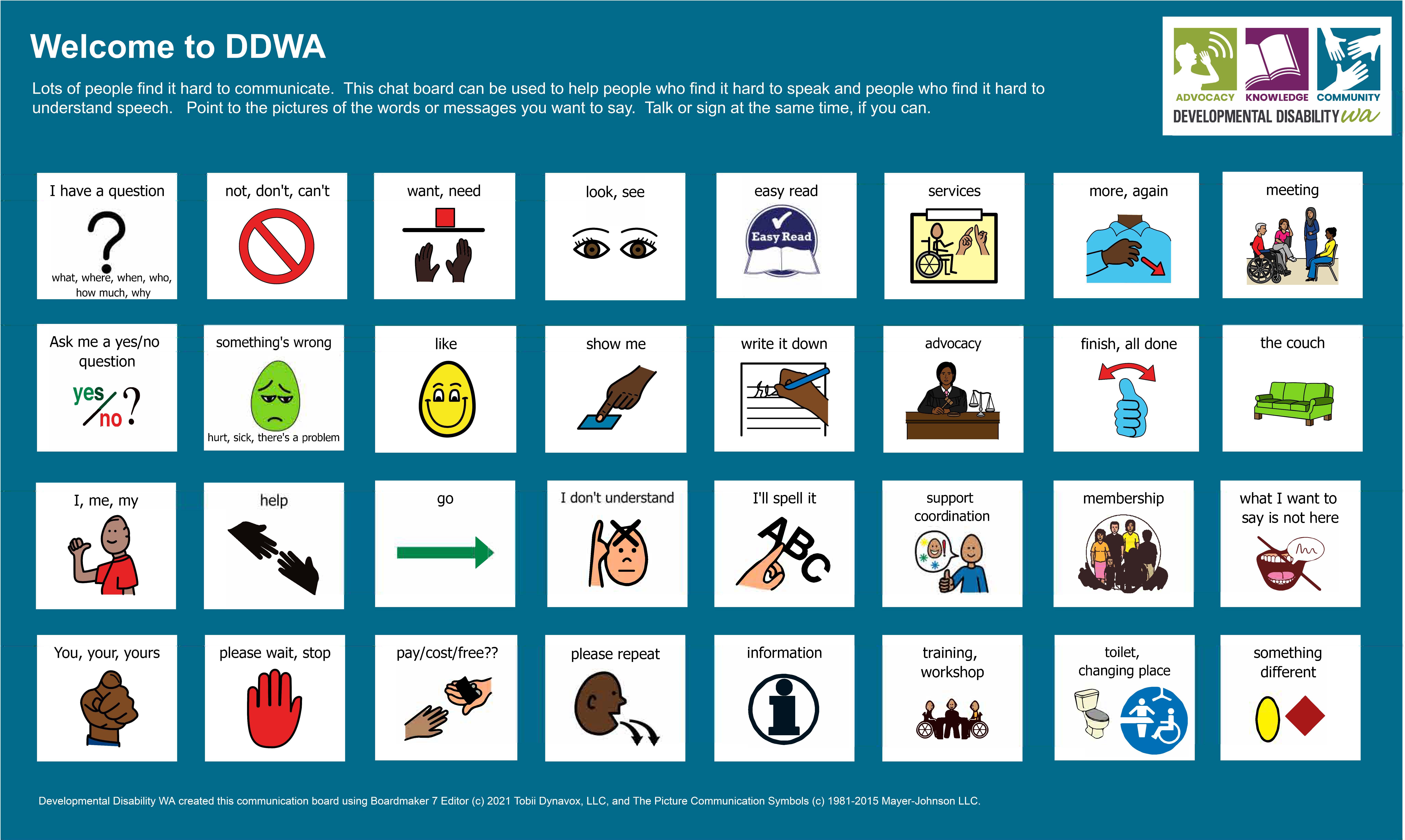
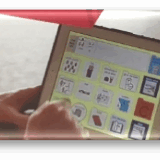
This chat board can be used to help people who find it hard to speak and people who find it hard to understand speech. People with communication disability sometimes use no or few spoken words.
HOW TO USE THE CHAT BOARD: Point to the pictures of the words or messages you want to say. Talk or sign at the same time, if you can.
DOWNLOAD AND PRINT HERE: https://ddwa.org.au/wp-content/uploads/2025/06/DDWA-front-desk-Welcome-to-DDWA.pdf
> or it's free to pick up from our office: City West Lotteries house (CWLH) 2 Delhi Street, West Perth WA Contact us (08) 9420-7203 | ddwa@ddwa.org.au
(*Augmentative and Alternative Communication #AAC - **Aided Language Display #ALD)
#CommunicationDisability #CommunicationRights #AccessForAll #HumanRights #DisabilityRights

Welcome to DDWA - this is the chat board AAC* - ALD** we have at our front desk. Lots of people find it hard to communicate. This chat board can be used to help people who find it hard to speak and people who find it hard to understand speech. People with communication disability sometimes use no or few spoken words.
HOW TO USE THE CHAT BOARD: Point to the pictures of the words or messages you want to say. Talk or sign at the same time, if you can.
DOWNLOAD AND PRINT HERE:
https://ddwa.org.au/wp-content/uploads/2025/06/DDWA-front-desk-Welcome-to-DDWA.pdf
Or it's free to pick up from our office:
City West Lotteries House 2 Delhi Street, West Perth
(08) 9420-7203 | ddwa@ddwa.org.au
(*Augmentative and Alternative Communication #AAC - **Aided Language Display #ALD)
Complex Communication Support for Individuals & Families
DDWA is working to improve information and advice for people with developmental disability who have communication disability (complex communication support needs), and for their families and supporters.
People with communication disability can be helped through a range of different print and symbol based materials, and on our website you will find a range of different resources in different formats.
If you have any questions or need any assistance with accessing or using resources, please call us on:
(08) 9420 7203 or email ddwa@ddwa.org.au.
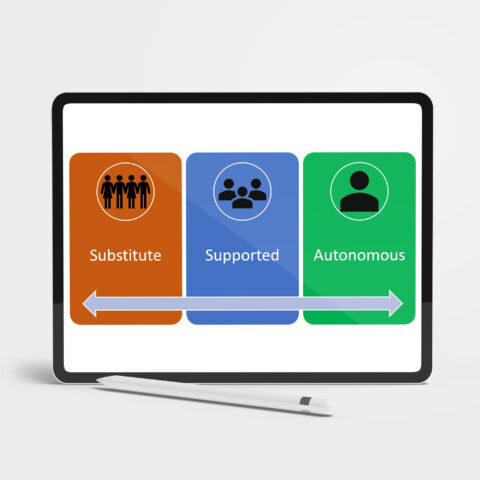
AAC Awareness Month
Each year we celebrate *AAC Awareness Month in October. *Augmentative and Alternative Communication (AAC). Search Facebook, Instagram and LinkedIn for our posts.
Click on the image to the right for an informative post from Communication Community SLPs: all about AAC awareness, what is AAC and more >>>


Online Learning
Supported Decision Making
This free online learning resource of two video modules, provides general information to guide the process of supporting decision making for a person with an intellectual disability. The information in this resource is for supporters who may include; parents, friends, family members, support workers, team leaders, coordinators and allied health professionals.
An example of Communication Boards at the City of Mandurah
Lots of children and adults find it hard to communicate.
Visual supports like chat boards can be used to help people who find it hard to speak and people who find it hard to understand speech.
These communication boards were created for the City of Mandurah by DDWA (2023). There are 16 boards that are now being used across different areas across the Mandurah Aquatic and Recreation Centre including:
- Reception
- Café
- Creche
- Gym
- Changing Place
- Pool
For more information about creating and using communication boards with someone who has complex communication needs, contact DDWA on 9420 7203 or email ddwa@ddwa.org.au
Useful links
Here you will find blog posts, resources, podcasts and information to help you to get started on exploring and understanding ways for your loved one to express themselves more easily.
A post from Uncommon Sense Blog, written by mum, former primary school teacher and now certified Speech Pathologist Dana Nieder about her daughter’s journey towards communication. Dana hopes that the information in her post will directly benefit your child (or grandchild, or friend’s child, or cousin) by helping you communicate together before, without, or whilst they are developing speech.
A useful person-centred tool developed by Helen Sanderson Associates to help you notice, understand and share the different ways a person communicates and what they are trying to communicate whether or not they use words.
Communication: The Sky’s The Limit
A video recording of Jane Farrall’s plenary session presentation at the Angelman UK Communication and Literacy Conference 2019. Jane Farrall is a passionate Australian speech pathologist, teacher and consultant who is in high demand all over the world in the areas of communication, AAC and Literacy.
Supported Decision-Making When You Cannot Speak
This 7-minute read from AssistiveWare explains how supported decision-making helps people who have difficulty communicating to have more control over their life.
3 Strategies to Support Choice and Control
All people who struggle with communication can be supported to make their own decisions. This 8-minute read from AssistiveWare suggests tools and strategies that can help.
An introductory 7-minute read to Augmentative and Alternative Communication (AAC) by AssistiveWare. It includes what AAC is, who it is for and the benefits of using AAC.
4 Things Every AAC System Needs
An 8-minute read from AssistiveWare to help you understand quickly what to look for when selecting an AAC system.
What is a Robust Vocabulary in AAC?
This blog post from Kate Ahern, teacher, AAC specialist, and educational describes what is meant by a “robust vocabulary” – a term often used to talk about AAC that is not always well explained.
Project Core: Quick Start Guide
Is your child not yet using speech, sign language or symbols to communicate with you and others? Is your child learning a communication system at school that is not available for use at home? Is your child an adult with difficulty communicating and little support to do so? If you answered yes to either of these questions, Project Core may be able to help. This quick start guide to Project Core will help you explore the Project Core website that includes free to download and print resources and free to view online-learning modules.
Reducing Vulnerability for Non-Speaking People
People with disability are more vulnerable to all forms of abuse. This 5-minute read from AssistiveWare explains the factors that make people who cannot rely on speech more vulnerable and suggests ways to help prevent abuse.
Planning for AAC in Medical Settings
Poor communication support in health and medical settings can have tragic but avoidable consequences. This 7-minute read from AssistiveWare gives tips on how to safeguard communication for AAC users in these settings.
Why Literacy Matters for People with Significant Disability: Talking with Tech
A two-part conversation between Erin Sheldon (parent of a child with significant disability, teacher, consultant and advocate) and Dr. Karen Erickson (Director of the Centre for Literacy and Disability Studies, University of North Carolina) shared as episodes 148 and 149 on the Talking with Tech podcast. If you are time poor, we recommend you start listening to the conversation between Erin and Karen when it begins:
- 8 minutes 45 seconds into Episode 148
- 11 minutes into Episode 149
Scope Australia provides support for people with complex communication needs to easily share information with new people to quickly explain how others can best assist them to understand or express themselves.
Designed by Laura Jones (DDWA, 2024) based on the NJC Communication Bill of Rights (3rd Edition, ASHA, 2024) and the Accessible Communication Bill of Rights (Kate Ahern, 2017) and Bri Bolin’s (2022) Communication Bill of Rights poster using graphics by Drawn to AAC on Canva.

DDWA Services


Information, Guidance and Support
We provide information to people with disability, family members, carers and supporters, across Life Transition Stages to help you to Self-Advocate and Navigate Systems including:
- getting a diagnosis
- navigating disability services and the NDIS
- starting school and negotiating the school journey
- making friends
- turning 18
- getting a job
- staying safe and healthy
- starting a relationship
We also provide information and guidance to support you to self-advocate in any area where laws have an impact on the person with disability's life, such as information about State Administrative Tribunal (SAT) in respect to Guardianship and Administration matters, Child Protection, Enduring Power of Attorney, Advanced Health Directives and preparing for illness/death of a parent.
For a full list of the areas we cover, see our Focus Areas Page Here.
Cost – This is a free service.

Side by Side Peer Community
Side by Side began as a project in 2012 for families experiencing behaviour which could be seen as challenging. The project connects families experiencing challenging behaviour with other families though a supported peer group, an active online community and in person events. Side by Side is a safe place to receive support and help each other.
For information and how to join, contact:
Bronwyn Pike: bronwyn.pike@ddwa.org.au, or
Maggie Visser: maggie.visser@ddwa.org.au
Website: ddwa.org.au/services/family-peer-support-side-by-side
Independent Support Coordination
DDWA are a registered NDIS provider for support coordination.
We can support you to fully understand and implement the funded supports and services in your NDIS plan.
This service is currently at FULL CAPACITY.